
Health Benefits of Spa and Home Massage Sessions: What Research Says About Relaxation and Recovery
Modern lifestyles can place considerable demands on both the body and mind. Long working hours, extended periods of sitting, exercise, travel, family responsibilities, and limited downtime can all leave people searching for practical ways to relax and recover.
Spa and home massage sessions have therefore become a popular part of many wellness routines. While massage should never be presented as a cure for medical conditions, research suggests that professionally delivered massage may support relaxation, help ease some forms of muscle tension and pain, and contribute to an overall sense of well-being in certain circumstances. The U.S. National Center for Complementary and Integrative Health describes massage therapy as the manipulation of the body's soft tissues for health management or wellness purposes.
Understanding the realistic health benefits of spa and home massage sessions can help you decide when massage may complement your lifestyle—and when symptoms instead require professional medical attention.
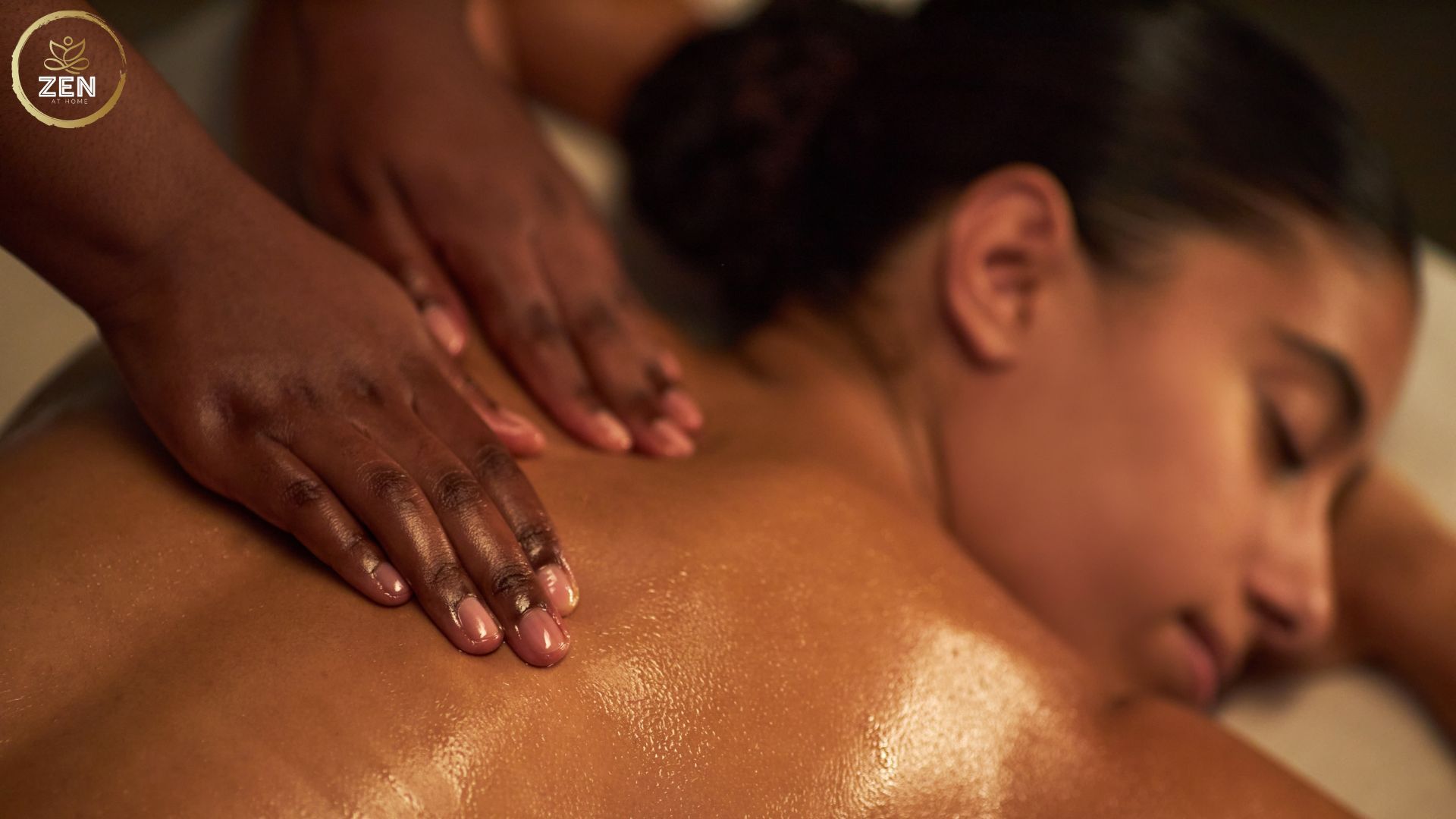
What Is a Spa or Home Massage Session?
Massage involves the manipulation of soft tissues such as muscles using techniques that can vary in pressure, movement, rhythm, and purpose. Different approaches may be selected depending on whether someone wants general relaxation, firmer work on muscular tightness, or a treatment connected with an active lifestyle.
A traditional spa session takes place in a dedicated wellness facility. Depending on the venue, the experience may include treatment rooms and additional facilities such as steam rooms, saunas, hammams, pools, or relaxation areas. Abu Dhabi, for example, has an established spa and wellness sector featuring hotel spas and different massage treatments, as shown in the official Experience Abu Dhabi spa and wellness guide.
A home massage follows a similar treatment concept but is delivered at a private residence—or sometimes a hotel where property policies permit an external therapist.
The main difference is therefore not necessarily the massage technique. It is the environment and convenience surrounding the session.
1. Massage May Promote Relaxation
Relaxation is one of the most common reasons people book a massage.
A massage session provides dedicated time away from work, phone notifications, household responsibilities, exercise, and other everyday demands.
Clinical guidance from Mayo Clinic identifies increased relaxation and reduced stress among benefits reported in studies of massage therapy.
This does not mean one massage eliminates chronic stress or replaces appropriate mental-health care. Instead, massage can be viewed as one relaxation practice within a broader wellness routine that may also include sufficient sleep, exercise, social connection, breaks, and other healthy habits.
Why Home Massage Can Make Relaxation Easier
One practical advantage of a home session is what happens afterward.
At a traditional spa, you may still need to:
- Change clothes
- Leave the facility
- Find your vehicle
- Travel through traffic
- Return home
With massage at home, the session finishes where your relaxation can continue.
For clients primarily looking for downtime, this can be one of the most meaningful practical benefits of the home-spa model.
2. Massage May Help Ease Muscle Tightness
Muscular tightness can occur for many everyday reasons.
Long hours at a desk, repetitive movements, exercise, travel, and extended periods of sitting can all leave certain areas feeling uncomfortable or stiff.
Mayo Clinic notes that studies have associated massage with lessened muscle tightness and pain in some circumstances.
Massage techniques use pressure and movement across soft tissues, and sessions can often be adjusted according to the areas where an individual feels tension.
For example, someone working at a computer all day may request greater focus around the shoulders and upper back, while an active person may be more interested in their legs.
Personalization matters because the same routine is unlikely to suit every client.
3. Massage Can Support a Broader Recovery Routine
Massage is particularly popular among people with active lifestyles.
Gym training, running, cycling, swimming, recreational sports, and other physical activities can create temporary muscular fatigue or soreness.
Massage may form one part of a recovery routine alongside:
- Appropriate rest
- Sleep
- Hydration
- Nutrition
- Gradual training
- Mobility work
- Proper management of injuries
However, massage should not be confused with injury rehabilitation.
The NHS overview of physiotherapy explains that physiotherapy is used for issues including bone, joint, muscle, and sports-related problems and may combine exercise, manual techniques, education, and other approaches.
Someone experiencing an actual injury should therefore consider whether professional assessment is more appropriate than simply booking a stronger massage.
4. Massage May Provide Short-Term Help With Some Types of Pain
Pain is an area where particularly careful language is required.
Massage is not a universal pain treatment, and persistent or unexplained pain deserves appropriate medical evaluation.
However, the NCCIH reports that research has examined massage for several painful conditions, with some evidence suggesting short-term benefits in certain circumstances. Evidence quality and effectiveness vary depending on the condition being studied. Readers interested in the research can review the NCCIH's Massage Therapy for Health: What the Science Says.
This distinction is important for trustworthy wellness content.
Instead of claiming that massage “cures pain,” a more accurate conclusion is that massage may help some individuals manage certain symptoms or muscular discomfort, depending on the cause.
5. A Massage Session Encourages Dedicated Self-Care Time
Not every benefit needs to be framed as a medical outcome.
One of the simplest advantages of booking a spa session is intentionally making time for yourself.
Busy people often postpone rest because there is always another task that feels more important.
A scheduled massage creates a defined period in which you step away from those responsibilities.
For some people, a spa facility provides the ideal environment because it separates wellness time from home and work.
For others, the convenience of a home massage session removes barriers such as traffic and travel time.
Neither approach is automatically superior. The better option is the one that makes it easier for you to create genuine downtime.
6. Home Massage Offers Additional Convenience
Convenience is not technically a medical benefit, but it can make wellness routines easier to maintain.
Home sessions may appeal particularly to:
- Busy professionals
- Parents with limited free time
- Travelers
- People who prefer familiar surroundings
- Couples arranging wellness time together
- Active individuals scheduling recovery sessions
- People who would rather avoid travelling after treatment
Rather than spending additional time travelling to and from an appointment, the client can use that time for rest.
This is one of the clearest differences between a traditional spa experience and a mobile home spa.
7. Different Massage Types Can Match Different Wellness Goals
The benefits and overall experience of a massage depend partly on which technique you choose.
Relaxation Massage
A relaxation massage generally prioritizes comfortable pressure, slower movements, and an experience designed around unwinding.
It can be a suitable option for someone whose main objective is taking time away from a demanding schedule.
Swedish Massage
Swedish massage often incorporates flowing strokes and kneading techniques and can typically be adapted to different pressure preferences.
It is commonly chosen by people looking for a general full-body wellness treatment.
Deep Tissue Massage
Deep tissue massage involves firmer, more targeted techniques and may appeal to people who prefer stronger pressure.
However, stronger does not automatically mean better.
A massage should not involve significant pain simply because the treatment is described as deep tissue. Mayo Clinic's guidance on what to expect during massage notes that clients should communicate if pressure or techniques cause significant discomfort.
Sports Massage
Sports massage may be selected by recreational athletes, gym users, runners, cyclists, and other active individuals.
Treatment can be focused around areas that have been heavily used during activity.
It should complement sensible recovery practices—not replace medical diagnosis or rehabilitation for genuine injuries.
Aromatherapy Massage
Aromatherapy massage incorporates aromatic oils or similar products into the experience.
People with allergies, fragrance sensitivities, or sensitive skin should discuss product ingredients before treatment begins.
Thai Massage
Thai massage can involve pressure, assisted stretching, and greater movement than a conventional oil massage.
The official Abu Dhabi tourism platform lists Thai and deep-tissue approaches among treatments available at established spas in the emirate.
Anyone with injuries or mobility limitations should discuss whether stretching-based techniques are appropriate before starting treatment.
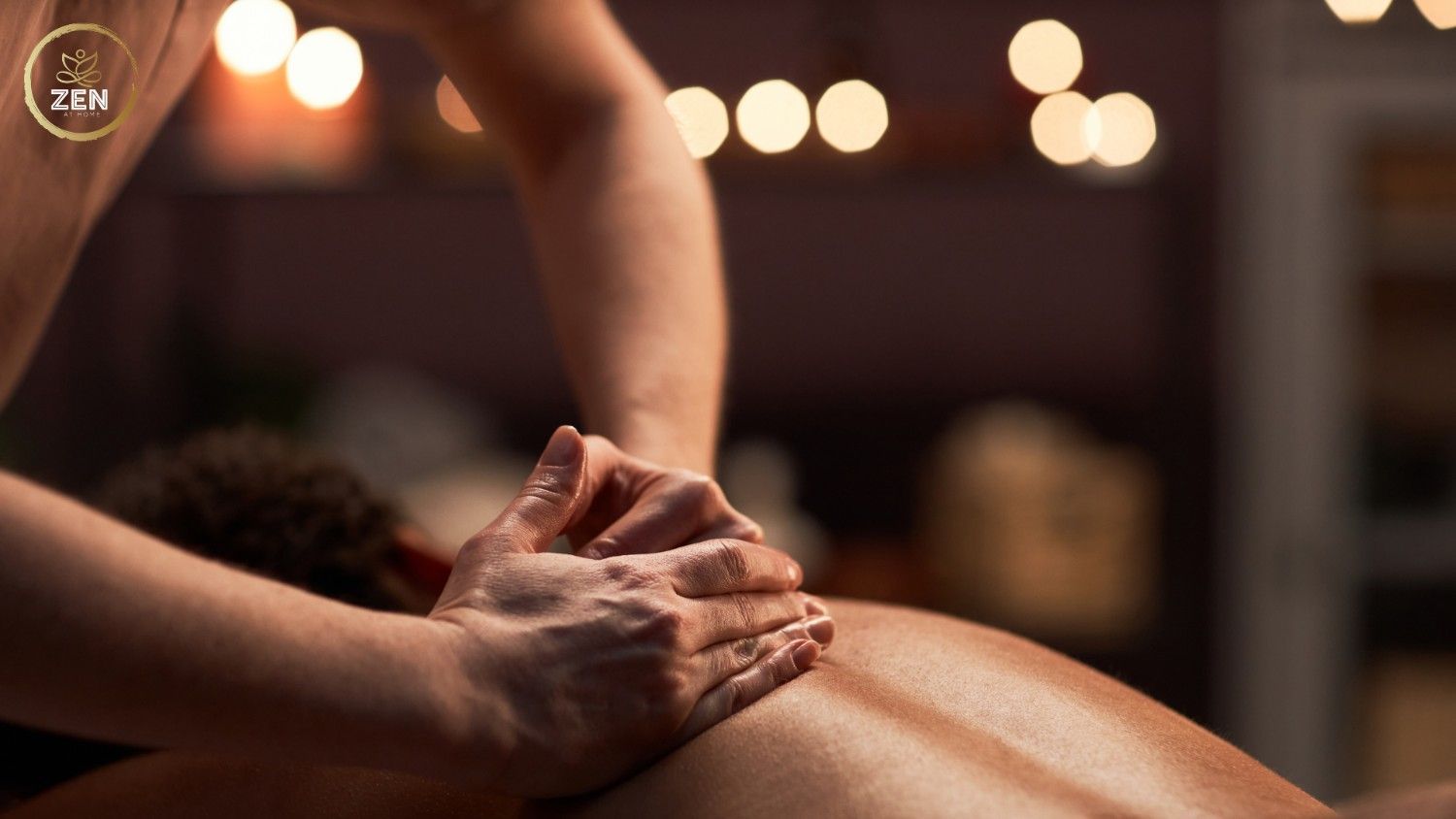
8. Massage May Complement Relaxation Strategies for Stress
Stress can affect people differently, and massage should not be positioned as treatment for a mental-health condition without appropriate evidence or professional care.
Nevertheless, massage is widely used as a relaxation practice.
Mayo Clinic includes reduced stress and increased relaxation among outcomes reported in massage research.
The important word is complement.
Massage can sit alongside—not replace—other healthy stress-management approaches such as physical activity, sleep, relaxation exercises, social support, and professional healthcare when needed.
9. Home Sessions Can Provide a More Familiar Environment
The spa environment itself can be part of the appeal of a traditional treatment: quiet rooms, relaxing surroundings, specialist facilities, and separation from everyday life.
But not everyone relaxes most easily in an unfamiliar place.
Some clients prefer their own:
- Room temperature
- Lighting
- Music
- Familiar surroundings
- Post-treatment environment
A home spa makes these elements easier to control.
Once the therapist leaves, the client can continue relaxing instead of transitioning immediately back into travel.
Spa Massage vs Home Massage: Which Is Better?
There is no universal answer.
A Traditional Spa May Be Better If You Want:
- Dedicated wellness facilities
- Steam rooms or saunas
- Hammam treatments
- Pools
- Relaxation lounges
- A luxury day-spa atmosphere
- Multiple treatments in one location
For example, some Abu Dhabi hotel spas combine treatment rooms with facilities including steam rooms, saunas, and dedicated relaxation spaces.
A Home Spa May Be Better If You Want:
- Privacy
- Convenience
- Familiar surroundings
- No journey after treatment
- Flexible scheduling
- A quieter transition back into your evening
The right choice depends more on your lifestyle and priorities than on which format sounds more luxurious.
What Happens During a Professional Home Massage?
Understanding the process can help first-time clients feel more comfortable.
Step 1: Booking
You normally select:
- Treatment type
- Session duration
- Appointment time
- Location
You should also receive information about pricing and relevant booking conditions.
Step 2: Therapist Arrival and Setup
Depending on the provider, a mobile therapist may bring equipment such as a portable treatment table, towels, oils, and other required supplies.
Ask what is included before your appointment.
Step 3: Pre-Treatment Consultation
Before starting, the therapist should ask about your expectations and preferences.
Useful topics include:
- Preferred pressure
- Areas of muscle tension
- Areas you want avoided
- Relevant injuries
- Allergies
- Skin sensitivities
- Treatment goals
Step 4: Massage Session
Communication should remain open throughout your treatment.
Tell your therapist whenever:
- Pressure feels excessive
- Pressure feels too light
- A particular area is uncomfortable
- You would like the focus changed
- You need to change position
Professional massage should be personalized rather than delivered as an identical routine to every client.
Step 5: Post-Treatment Relaxation
Once a home treatment ends, you have an advantage that traditional spa clients do not always have:
You are already where you want to rest.
That can make the transition from treatment back into everyday life much calmer.
Is Massage Safe for Everyone?
Massage appears to involve relatively few risks when appropriately performed by a trained practitioner, but precautions may be necessary for people with certain health conditions. The NCCIH massage safety guidance recommends discussing massage with healthcare providers when medical conditions may affect treatment safety.
Information worth discussing before massage may include recent surgery, wounds, fractures, infectious illnesses, bleeding disorders, allergies, certain medications, or implanted medical devices. Mayo Clinic provides similar guidance regarding information that should be disclosed before medical-based massage.
When in doubt, seek medical guidance before booking.
Should You Have a Massage Immediately After an Injury?
Not automatically.
A new injury should not simply be treated as ordinary muscle tension.
Depending on the symptoms, professional medical or physiotherapy assessment may be more appropriate.
The NHS identifies physiotherapy as a treatment pathway for various musculoskeletal problems, including back pain, neck pain, sprains, strains, and other sports injuries.
If you experience severe pain, substantial swelling, loss of movement, numbness, suspected fracture, or another concerning symptom, seek appropriate healthcare rather than relying on massage alone.
How Often Should You Book a Massage?
There is no single massage frequency that is appropriate for everyone.
Your schedule may depend on:
- Why you are booking
- Your activity level
- Personal preference
- Treatment intensity
- Budget
- Health status
- How your body responds
Someone booking purely for occasional relaxation may schedule sessions less frequently than an active person who incorporates massage into a wider recovery routine.
More frequent treatment is not automatically better.
The goal should be to choose a routine that suits your needs rather than following an arbitrary schedule.
How to Get More From Your Spa or Home Massage Session
A few simple habits can improve the overall experience.
Communicate Clearly
Tell the therapist what you want from the treatment.
Do not assume they can identify your ideal pressure without feedback.
Choose the Right Treatment
Do not book deep tissue simply because it sounds more effective.
Match the massage to your objective.
Create Time Around the Appointment
Avoid scheduling a stressful meeting five minutes after your massage.
Allow yourself enough time to enjoy the relaxation period.
Be Realistic About Health Claims
Massage is part of wellness—not a cure-all.
Appropriate sleep, movement, nutrition, stress management, and medical care remain important.
Work With Professional Practitioners
NCCIH notes that massage generally appears to involve few risks when performed by a trained practitioner, while certain health circumstances require additional precautions.
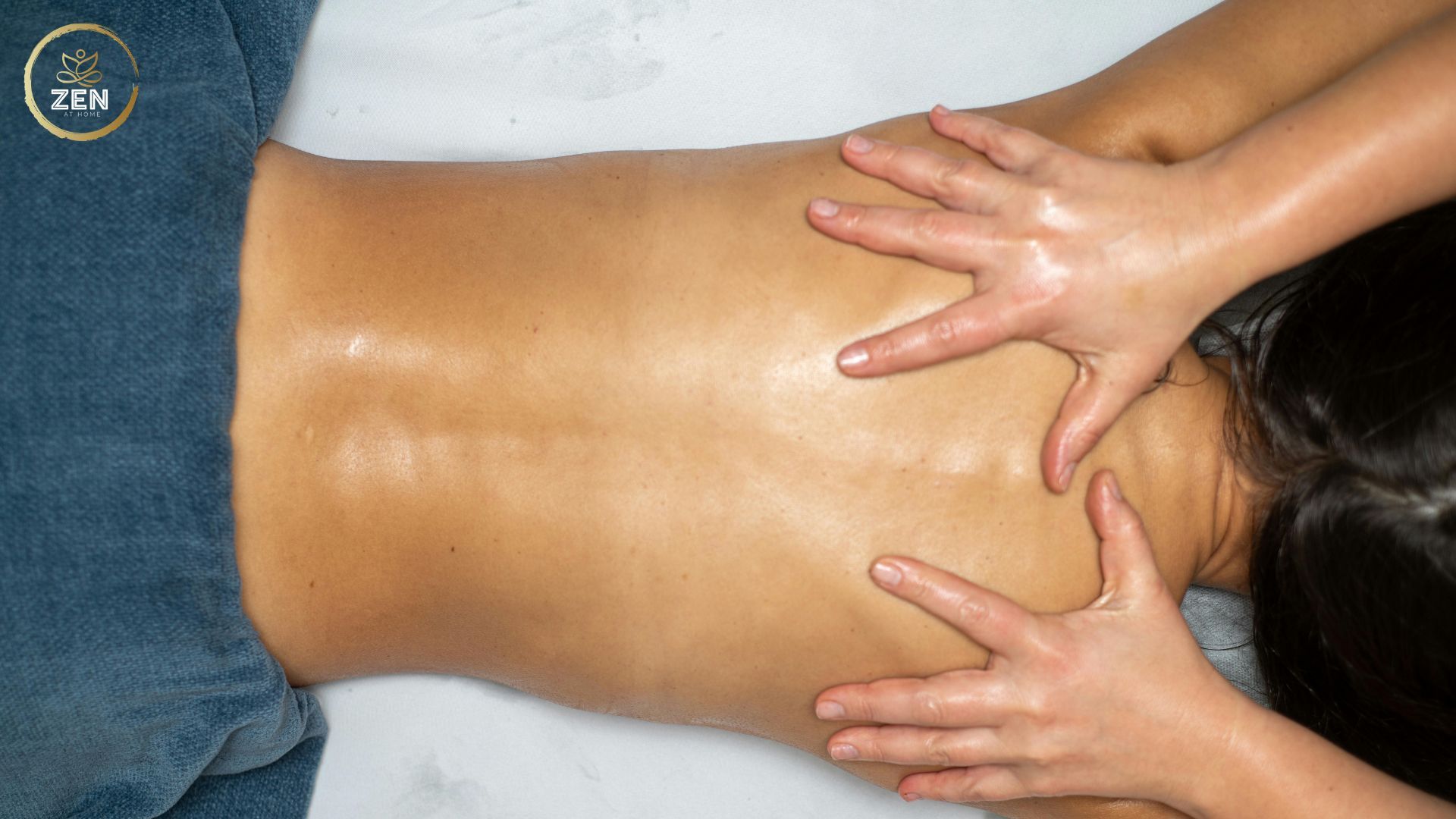
The Role of Spa and Massage in a Balanced Wellness Lifestyle
The greatest value of massage may come from viewing it as part of a bigger picture.
Imagine a wellness routine built around:
Regular physical movement.
Adequate rest.
Good sleep habits.
Balanced nutrition.
Time away from work.
Appropriate healthcare.
And occasional massage sessions for relaxation and recovery.
That approach is more realistic than expecting a spa treatment to compensate for every other aspect of lifestyle.
For people who prefer receiving professional wellness treatments without adding another journey to their day, Zen At Home offers home and hotel massage experiences designed around privacy, convenience, and personalized relaxation.
Frequently Asked Questions
What are the main health benefits of massage?
Research suggests massage may support relaxation and may help with certain types of pain and muscle tightness in some circumstances. The evidence varies depending on the condition and treatment, so massage should not be viewed as a universal medical treatment. The NCCIH research overview provides a detailed evidence-based summary.
Can massage help with stress?
Studies reviewed by Mayo Clinic have associated massage with reduced stress and increased relaxation. It should be treated as one potential wellness strategy rather than a replacement for professional mental-health treatment when that is needed.
Can massage help muscle tightness?
Massage may help some people with muscular tightness or discomfort. Persistent, unexplained, or severe symptoms should be assessed appropriately rather than repeatedly treated with massage.
Is home massage as beneficial as spa massage?
The massage technique may be similar, but the environment differs. Home massage prioritizes convenience, privacy, and the ability to continue relaxing afterward, while traditional spas may provide additional facilities and a dedicated wellness atmosphere.
Which massage is best for relaxation?
Relaxation or Swedish-style treatments are commonly chosen when the primary goal is comfortable downtime rather than strong, targeted pressure.
Is deep tissue massage better for the body?
Not necessarily. The best technique depends on your goal, comfort level, and individual circumstances. Stronger pressure is not automatically more effective.
Can active people benefit from massage?
Active individuals often incorporate massage into broader recovery routines. However, massage should complement appropriate training, rest, and professional injury care rather than replacing them.
Should massage hurt?
Significant pain should not be treated as evidence of an effective massage. Mayo Clinic advises communicating with the therapist if the pressure or technique causes significant discomfort.
Is massage safe if I have a health condition?
That depends on the condition. NCCIH recommends discussing massage with healthcare providers when your health status may affect treatment safety.
Can massage replace physiotherapy?
No. Physiotherapy is a clinical discipline used for a range of mobility, musculoskeletal, neurological, respiratory, and rehabilitation needs. Massage may sometimes be one technique within physiotherapy, but a general spa massage is not a substitute for professional physiotherapy assessment or treatment.