
Relaxation Massage Benefits for the Body and Mind
Stress rarely stays only in the mind. A demanding schedule, long hours sitting, poor sleep or constant mental stimulation can eventually show up physically as raised shoulders, a tight neck, general muscle tension or the feeling that the body simply cannot switch off.
A relaxation massage is designed around the opposite experience. Instead of using aggressive pressure to correct a specific muscular problem, it generally relies on smooth movements, a comfortable pace and pressure that allows the body to settle.
That makes relaxation massage different from treatments aimed primarily at injury rehabilitation or deep muscular work. Its central purpose is simple: helping the body and mind move toward a calmer state.
What Is Relaxation Massage?
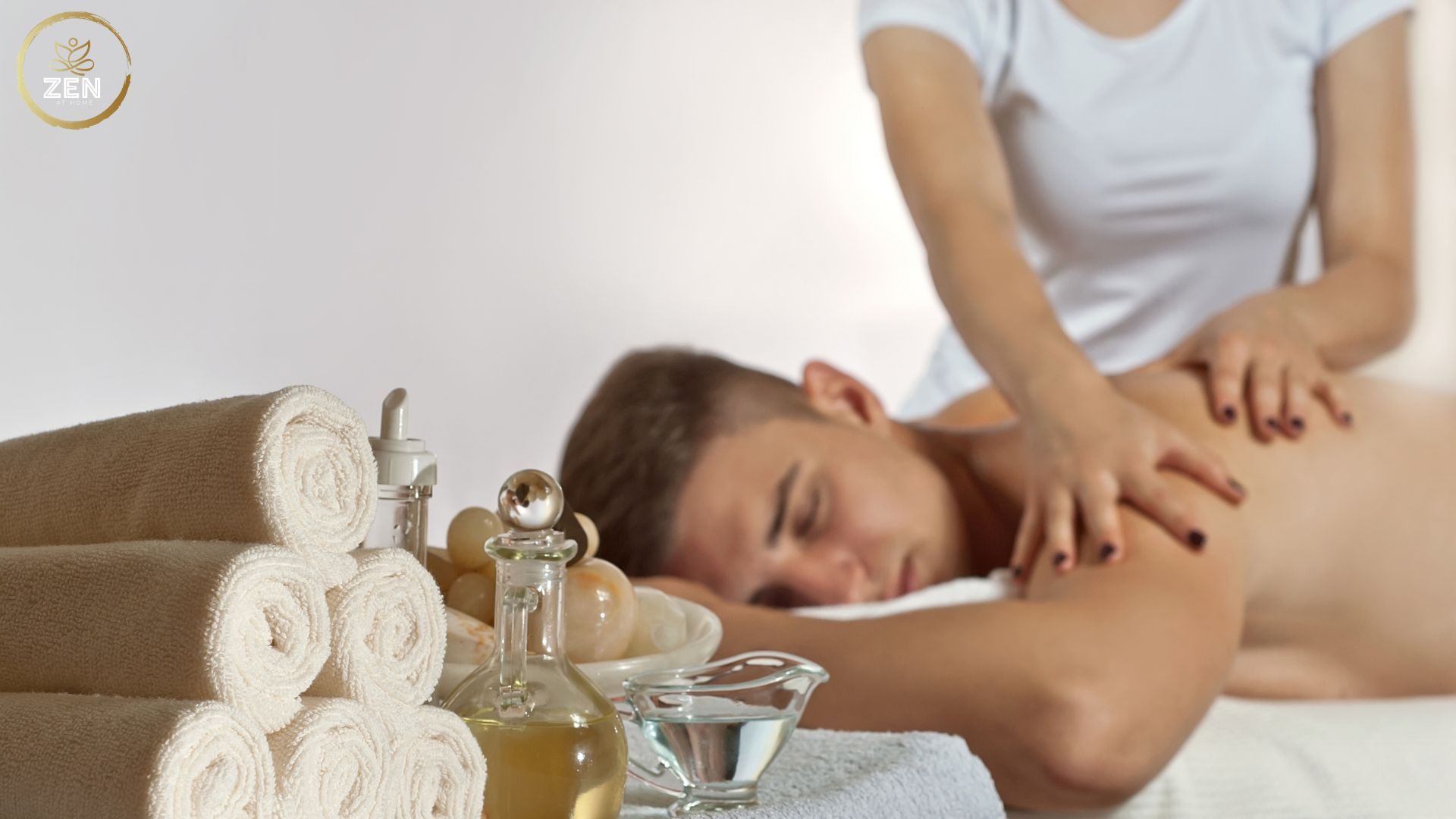
Relaxation massage is a gentle form of massage therapy that focuses on comfort, stress reduction and overall physical ease.
A therapist typically uses long, flowing strokes, light-to-moderate pressure and rhythmic movements across areas such as the back, shoulders, neck, arms and legs. Pressure can be adjusted according to the person's comfort and preferences.
The treatment often overlaps with techniques associated with Swedish massage, although the exact approach can differ between practitioners.
Mayo Clinic defines massage therapy more broadly as the manipulation of muscles and other soft tissues using varying amounts of movement and pressure. Research suggests massage may help reduce stress, decrease muscle tightness and promote relaxation, although individual responses vary.
Why Stress Affects Both the Body and Mind
Stress is not purely psychological.
When the brain perceives pressure or threat, the body becomes more alert. Breathing may change, muscles may tighten and attention becomes focused on dealing with whatever is causing the stress.
Occasional stress is normal. The problem comes when the body spends long periods feeling physically or mentally “on.”
NCCIH explains that the body's stress response is associated with changes such as faster breathing and increased cardiovascular activity. Relaxation practices aim to encourage the opposite pattern: a calmer physiological state.
This connection helps explain why massage and relaxation are so closely associated.
The massage does not magically remove every source of stress. Instead, the treatment creates a period in which physical activity slows, external demands are reduced and the body receives consistent, predictable touch.
For many people, that is enough to make tension feel more manageable.
1. Relaxation Massage May Help Reduce Everyday Stress
Stress relief is one of the main reasons people choose a relaxing massage.
The slow rhythm of a session can provide a temporary break from constant stimulation. Phones, emails, work, driving and other daily demands are replaced by a quieter environment where very little is required from the person receiving treatment.
Cleveland Clinic notes that gentle massage may help people relax, reduce stress and improve their overall sense of well-being.
That does not mean massage is a treatment for every stress-related disorder.
For ordinary everyday stress, however, a stress relief massage can become one element of a broader self-care routine alongside appropriate sleep, physical activity, social support and other healthy habits.
2. It Can Ease Mild Muscle Tension
Mental stress and muscle tension often occur together.
Some people unconsciously lift their shoulders when concentrating. Others tighten their jaw or sit rigidly when under pressure. Spending hours working in the same position can add another physical load.
Over time, the neck, shoulders and back may begin to feel stiff.
Massage applies movement and pressure to muscles and surrounding soft tissue. Cleveland Clinic notes that massage therapy may help reduce muscle tension and soreness.
A relaxation massage usually approaches this tension gradually rather than attempting to force the muscle into submission.
That distinction matters.
More pressure is not automatically more effective. When the goal is relaxation rather than targeted rehabilitation, smooth and comfortable treatment can be more appropriate than intense deep-tissue work.
3. Relaxing Massage May Help the Body Feel Less Guarded
A stressed person may continue holding unnecessary muscle tension even when there is no immediate physical demand.
You can sometimes notice this yourself. The shoulders remain raised while sitting. Hands stay clenched. The forehead remains tense.
A relaxing massage creates an opportunity to become aware of those patterns.
As the treatment continues, some people notice their shoulders dropping, breathing becoming easier or muscles feeling less rigid.
This does not mean the therapist has permanently changed the structure of the muscle. A more realistic explanation is that massage may temporarily alter the person's perception of tension, comfort and movement.
The mechanisms behind massage are still being studied, and authoritative health sources caution against reducing its effects to one simple hormonal or mechanical explanation.
4. Relaxation Massage Can Support Mental Calm
The mental benefit of massage is not necessarily separate from the physical one.
When discomfort decreases and the body feels less tense, it can become easier to mentally settle.
Some people describe leaving a massage feeling clearer or quieter rather than simply less sore.
This is one reason relaxation massage should not be viewed only as a muscular treatment. The experience itself matters: steady touch, reduced stimulation, comfortable positioning and time away from routine demands can all contribute to the sense of calm.
NCCIH reports that massage has shown potential benefits for anxiety in some populations, although research findings are mixed and massage has not been established as a treatment for anxiety disorders.
That distinction is important.
Relaxation massage can support well-being, but it should not replace appropriate mental-health care when someone is experiencing persistent or severe anxiety.
5. It May Help You Wind Down Before Sleep
Stress and sleep often affect each other.
A stressful day can make it difficult to settle at night. Poor sleep can then leave a person more sensitive to stress the following day.
Massage cannot guarantee better sleep, but its calming effects may help some people transition into a more restful state.
Cleveland Clinic notes that soothing massage may help some people sleep better, while research into specific massage techniques and sleep outcomes continues to develop.
A recent controlled study in people with poor sleep also found that relaxation massage increased subjective relaxation and reduced measures associated with pre-sleep arousal, although one study should not be treated as proof that massage cures insomnia.
If sleep problems are persistent, severe or unexplained, professional medical evaluation remains more appropriate than relying only on massage.
6. A Full Body Relaxation Massage Can Address General Tension
Not everyone has one specific area that needs treatment.
Sometimes the entire body simply feels tired.
A full body relaxation massage usually distributes treatment across several areas rather than spending most of the session on one muscle group.
The therapist may work on the back, shoulders, arms and legs while paying additional attention to areas that feel particularly tense.
This approach can suit someone seeking general relaxation rather than rehabilitation of one particular injury.
Targeted therapeutic work has a different purpose.
Relaxation Massage vs Therapeutic Massage
These terms are sometimes used interchangeably, but there is an important practical difference.
Relaxation massage is usually centered on comfort, general muscle ease and stress reduction.
Therapeutic massage is more goal-directed. A therapist may concentrate on a particular painful or restricted area and adapt techniques to address a specific physical problem.
Cleveland Clinic distinguishes therapeutic massage from general relaxation treatment by describing therapeutic work as more focused on soft tissues and individual clinical needs.
Neither approach is automatically better.
Someone mentally exhausted after a demanding week may prefer gentle relaxation treatment. Someone dealing with a specific musculoskeletal problem may need a more targeted assessment and treatment plan.
The correct choice depends on the goal.
Relaxation Massage vs Deep Tissue Massage
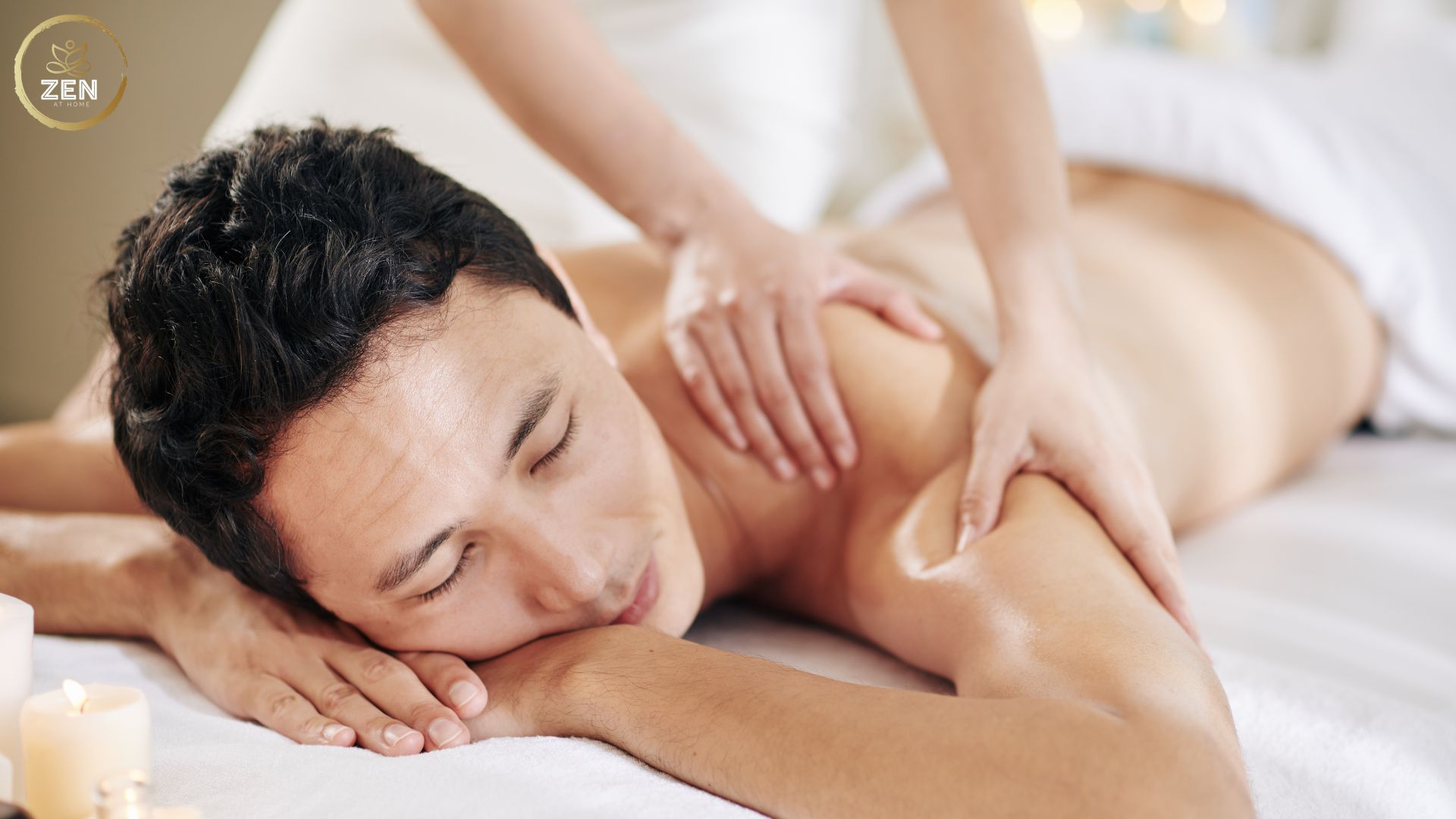
Deep tissue massage generally involves slower, more concentrated work directed toward deeper muscles and persistent areas of tension.
Relaxation massage normally uses less intense pressure and focuses more on the overall experience of calm.
There can still be overlap.
A relaxation session does not have to be extremely light, and a therapist may adjust pressure if certain muscles feel tense.
The difference is mainly the intention behind the treatment.
With relaxation massage, the question is usually: What pressure will help this person feel comfortable and settled?
With deep tissue work, the focus may be more specific: Which structures or muscular areas require targeted treatment?
What Happens During a Relaxation Massage?
A professional session should begin with a short discussion.
The therapist may ask whether you have any painful areas, injuries, medical conditions or preferences regarding pressure.
Once treatment begins, movements are usually slow and continuous.
Common techniques can include long gliding strokes, gentle kneading and rhythmic movements across larger muscle groups.
Your comfort should remain the priority.
You can ask for lighter or firmer pressure at any time. Massage does not need to hurt in order to be effective.
A professional therapist should also respect appropriate draping, privacy, hygiene and personal boundaries throughout the session.
What Does a Relaxation Massage Feel Like?
Experiences differ.
Some people notice physical changes first. Their shoulders feel less tight or their back feels easier to move.
Others notice mental changes. Thoughts slow down and concentrating on everyday responsibilities becomes less urgent.
Some people simply feel pleasantly tired afterwards.
There is no single response that proves the treatment “worked.”
The goal is comfort and relaxation, not producing soreness.
Is Relaxation Massage the Same as a Spa Massage?
There is substantial overlap, but the terms are not identical.
A relaxation massage spa treatment may combine massage with music, fragrance, oils or other elements designed around the overall experience.
Relaxation massage itself refers more specifically to the style and purpose of the bodywork.
It can therefore take place in different professional settings rather than belonging exclusively to a spa environment.
The quality of the therapist and suitability of the treatment matter more than the label used by the venue.
Relaxation Massage at Home
Some people find it easier to relax in familiar surroundings.
A professional Relaxation Massage at home can remove the need to travel immediately before or after a session, allowing the person to remain in a calmer environment.
The professional standards should remain the same regardless of location.
The therapist should still discuss relevant health considerations, maintain hygiene, respect boundaries and adjust pressure according to the client's feedback.
For a guest article, this is the strongest place for your exact-match backlink. It is contextual and directly related to the preceding informational discussion rather than appearing as an advertisement.
How Often Should You Get a Relaxation Massage?
There is no medically established schedule that suits everyone.
Frequency depends on why someone is receiving massage, how their body responds, their preferences and their budget.
Some people use relaxation massage occasionally during demanding periods. Others include massage more regularly in a broader wellness routine.
More sessions are not automatically better.
Pay attention to how you respond and avoid treating massage as the only answer to recurring stress, pain or sleep problems.
What Should You Do After a Relaxation Massage?
Aftercare can remain simple.
Normal hydration, gentle movement and allowing yourself some quiet time may feel comfortable after treatment.
There is no good reason to describe massage as “releasing toxins” that then need to be flushed out through excessive water intake.
Normal hydration is sensible because hydration is part of ordinary health, not because massage creates toxic substances that need special removal.
This kind of evidence-based language is particularly important for health and wellness content.
When Should Massage Be Avoided or Modified?
Massage therapy is generally considered low risk when performed appropriately, but it is not suitable in every situation.
NCCIH reports that serious complications are rare but have occurred, particularly with vigorous massage or in people with medical conditions that make them more vulnerable to injury.
NCCIH: Massage Therapy — What You Need to Know
Professional advice may be appropriate before massage if you have conditions involving blood clots, bleeding risk, fragile bones, recent surgery, significant injury or other medical concerns.
Massage also should not be used to delay medical assessment for unexplained or worsening symptoms.
Severe pain, unexplained weakness, numbness, fever or symptoms following significant trauma require a different type of evaluation.
How to Choose a Relaxation Massage Therapist
The best therapist is not necessarily the person who uses the most pressure.
Look for appropriate professional training, clear communication and a willingness to adjust the session around your comfort.
A good therapist should ask about relevant health issues before treatment and explain what to expect.
You should also feel comfortable speaking up.
If the pressure is unpleasant, something feels wrong or you simply want an area avoided, say so.
Massage should be collaborative.
Can Relaxation Massage Replace Exercise or Other Healthy Habits?
No.
Massage can support relaxation and comfort, but it cannot compensate for persistent sleep deprivation, prolonged inactivity, chronic stress or an underlying medical problem.
Someone who regularly develops shoulder tension from long periods of sitting, for example, may feel better after massage while still benefiting from regular movement and changes to their daily routine.
Think of massage as one tool rather than the entire solution.
The strongest wellness routines usually combine several useful habits.
Frequently Asked Questions
What are the main benefits of relaxation massage?
Relaxation massage may help reduce everyday stress, ease mild muscle tension and create an overall feeling of physical and mental calm. Research into massage also suggests potential short-term benefits for certain forms of pain and stress-related symptoms, although results vary.
Is relaxation massage good for stress?
It can be useful for managing ordinary stress and creating dedicated time to unwind. It should not, however, be considered a substitute for appropriate treatment when stress or anxiety becomes severe or persistent.
Is relaxation massage a full-body massage?
It often is, but it does not have to be. A full body relaxation massage may cover the back, shoulders, arms and legs, while another session may spend more time on areas where a person carries tension.
Is relaxation massage painful?
It generally should not be. Relaxation massage normally uses light-to-moderate pressure and prioritizes comfort. Tell the therapist if any technique feels painful or unpleasant.
Is relaxing massage the same as therapeutic massage?
Not exactly. Relaxing massage focuses primarily on overall relaxation and comfort, while therapeutic massage generally has a more targeted physical goal.
Can massage help with sleep?
Some people find it easier to rest after massage because they feel physically and mentally calmer. Evidence suggests possible benefits in certain groups, but massage should not be described as a cure for insomnia.
How long does the relaxed feeling last?
It varies considerably. Some people feel calmer for several hours, while others notice the effects for longer. The underlying causes of stress and tension influence how quickly those feelings return.
Final Thoughts
The benefits of relaxation massage come from more than simply lying still for an hour.
Gentle, rhythmic massage can create a period in which the muscles are allowed to soften, daily stimulation decreases and attention shifts away from stress. For some people, that translates into less tension, greater physical comfort and a calmer state of mind.
The evidence is strongest when claims remain realistic. Relaxation massage may support stress management, comfort and well-being, but it is not a cure for anxiety, chronic pain, insomnia or other medical conditions.
Used appropriately, it can be a valuable part of a broader approach to physical and mental wellness.