
Relaxation Massage: Benefits, Techniques, and What to Expect
Stress does not always stay in your thoughts. Long working hours, repetitive routines, poor rest and everyday responsibilities can leave the shoulders raised, the back tense and the entire body feeling as though it never fully switches off.
Relaxation massage takes a deliberately gentle approach. Instead of concentrating on intense pressure or correcting a specific injury, the session uses comfortable touch, rhythmic movements and an unhurried pace to help reduce everyday muscular tension and create a calmer overall experience.
But what actually happens during a relaxation massage, which techniques are used, and how is it different from Swedish or deep tissue massage? Here is what you should know before booking a session.
What Is Relaxation Massage?
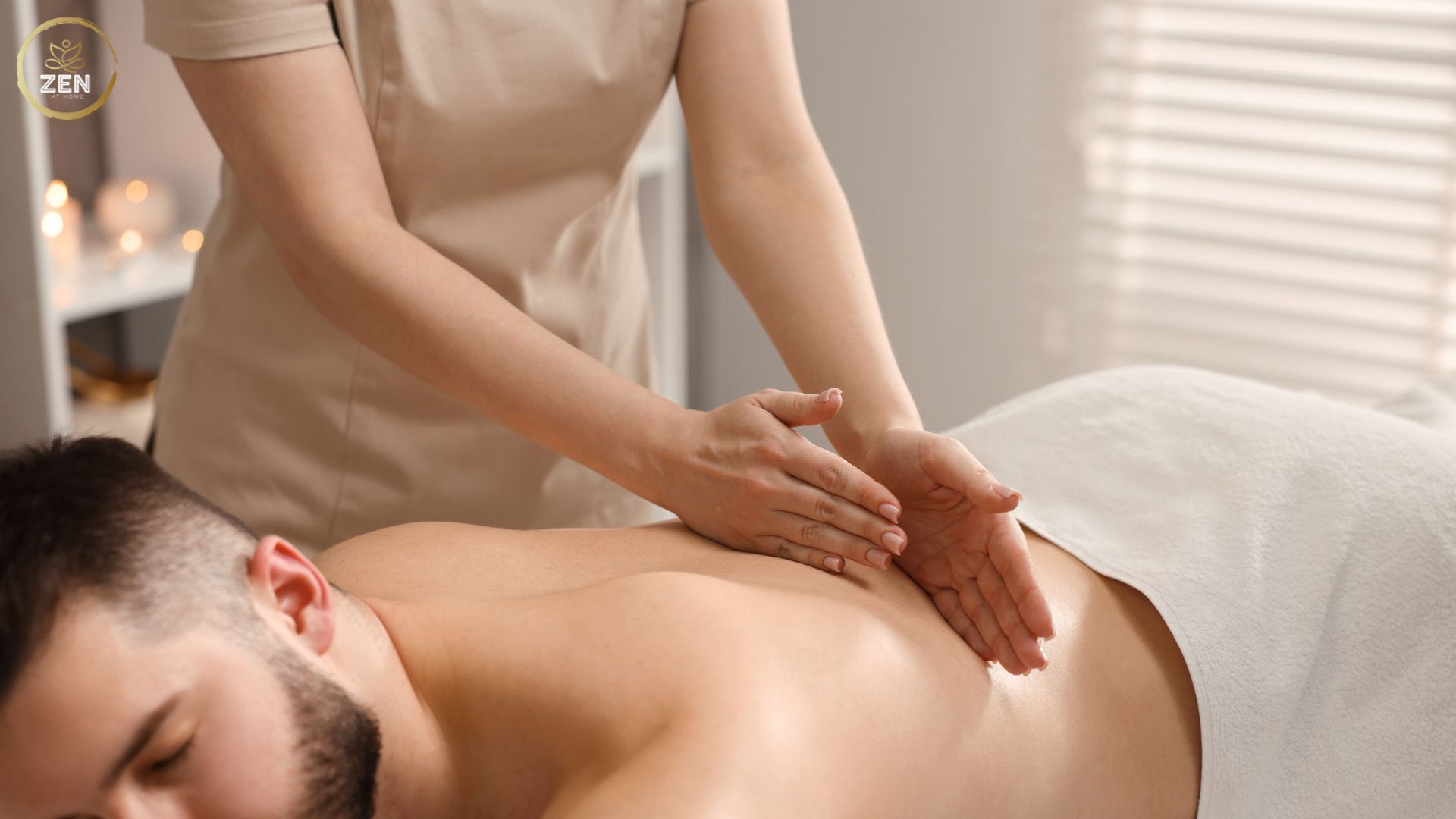
Relaxation massage is a gentle form of massage therapy primarily designed to encourage physical comfort, reduce everyday muscle tension and promote a sense of relaxation.
It normally uses light to moderate pressure rather than intense, highly focused work. Movements tend to be slow, smooth and rhythmic, with the therapist moving gradually between different areas of the body.
The term does not describe one rigidly standardized massage system.
Instead, "relaxation massage" describes the main goal and overall style of the session. Therapists commonly use techniques associated with Swedish massage, including long gliding strokes and gentle kneading, but may adapt the treatment according to the person's preferences.
For people exploring this gentler approach, a professional Relaxation Massage session can provide a treatment centered on comfort, adjustable pressure and a calm massage experience.
How Does Relaxation Massage Work?
Massage therapy involves manipulating muscles and other soft tissues through controlled touch and movement.
During a relaxation-focused session, the therapist generally avoids abrupt or excessively intense pressure. Instead, movements are kept smooth and predictable so the person receiving the massage can remain comfortable.
Pressure may gradually change according to the area being treated, but it should remain within an agreed range.
This is important because relaxation massage works differently from treatments designed around deep, concentrated pressure. The goal is not to make the muscles endure as much force as possible.
Comfort is part of the treatment itself.
The National Center for Complementary and Integrative Health describes massage therapy as the manipulation of the body's soft tissues and notes that it may be used for wellness as well as for certain health concerns.
Potential Benefits of Relaxation Massage
People choose relaxation massage for many reasons. Some are physically tired after demanding days, while others simply want uninterrupted time to slow down.
Research into massage therapy varies considerably by outcome and condition, so benefits should be discussed realistically rather than as guarantees.
1. Supporting Relaxation and Stress Relief
This is the central purpose of the treatment.
A quiet environment, comfortable touch and repetitive rhythmic movements can create conditions that make it easier to unwind.
Massage does not remove the causes of stress from daily life, but a session can provide a structured period in which physical and mental demands are reduced.
Mayo Clinic includes stress reduction and relaxation among the potential benefits associated with massage therapy, while also noting that individual responses can vary.
2. Easing Everyday Muscle Tension
Hours spent sitting, working at a computer, driving or repeating the same movements can leave muscles feeling tight.
Relaxation massage may help those areas feel less tense without requiring the stronger pressure associated with deep tissue work.
The shoulders, upper back, neck and legs are common areas where people notice everyday tightness, although treatment should always reflect the individual's preferences.
3. Creating a Sense of Physical Comfort
Not every massage needs to focus on a specific problem.
Some people choose massage simply because gentle, professionally delivered bodywork feels comfortable and restorative.
That is a valid objective.
A good relaxation session does not need to be painful or technically aggressive to feel worthwhile.
4. Supporting General Wellbeing
Taking dedicated time away from screens, work and other demands can itself be valuable.
When this is combined with massage, a quiet setting and comfortable positioning, many people leave the session feeling calmer and refreshed.
This should be understood as a wellness benefit rather than a medical cure.
5. Helping With Mild Muscular Stiffness
Gentle movement and kneading may make mildly tense muscles feel easier and more comfortable.
However, persistent, severe or unexplained pain requires appropriate assessment. Massage should not be used to delay evaluation of symptoms that may have a medical cause.
Common Relaxation Massage Techniques
Relaxation massage may draw from several manual techniques. Swedish-style movements are particularly common because they can be performed smoothly and adjusted easily for pressure.
Effleurage
Effleurage refers to long, gliding strokes performed across the body.
These movements are commonly used at the beginning of a session and when transitioning between different areas.
Pressure can remain light or gradually increase, depending on comfort.
The continuous nature of effleurage also helps keep the treatment flowing instead of making it feel fragmented.
Petrissage
Petrissage includes gentle kneading, lifting and rolling movements applied to soft tissue.
The technique can be used around larger muscle groups such as the shoulders, back and legs.
During relaxation massage, petrissage usually remains comfortable rather than highly intense.
Gentle Friction
A therapist may use controlled circular or back-and-forth movements over areas that feel mildly tense.
Unlike aggressive friction techniques used in some therapeutic treatments, relaxation-oriented friction should remain within a comfortable range.
Rhythmic Compression
Gentle compression involves applying controlled pressure and then releasing it in a steady rhythm.
This may be performed through towels or directly on an area being treated.
Gentle Passive Movement
Some therapists may carefully move an arm, leg, shoulder or another joint through a comfortable range.
These movements should never be forced.
The purpose within a relaxation treatment is generally comfort and ease rather than intensive mobility work.
Is Relaxation Massage the Same as Swedish Massage?
The terms overlap considerably, but they do not always mean exactly the same thing.
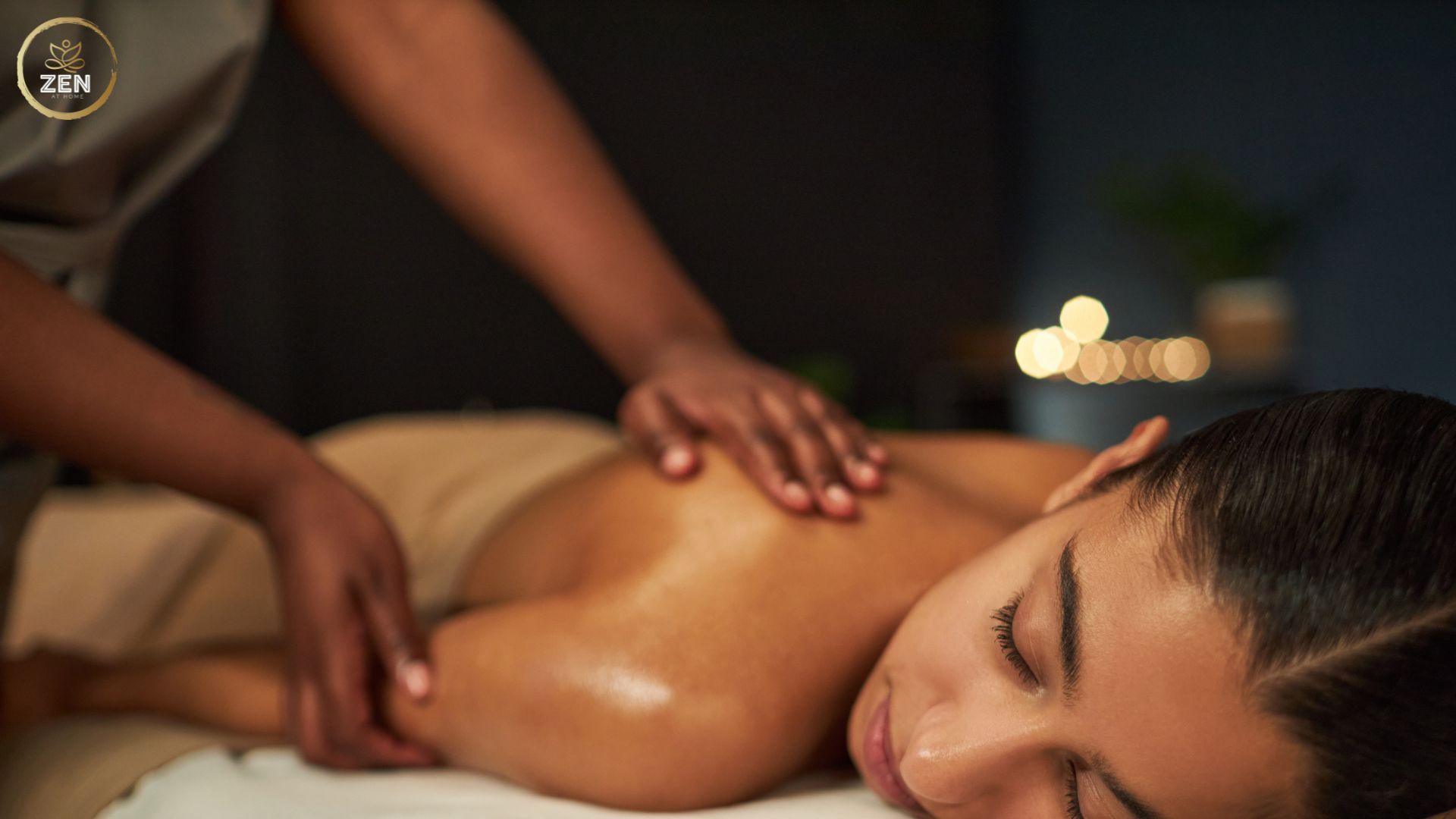
Swedish massage describes an established group of massage techniques. These commonly include effleurage, petrissage, friction and rhythmic movements.
Relaxation massage describes the desired purpose and character of the session.
A therapist may therefore provide a relaxation massage largely using Swedish massage techniques.
Think of Swedish massage as a technical framework and relaxation massage as a treatment goal.
In practice, many spas and therapists use the terms almost interchangeably, so it is worth asking what the actual session includes before booking.
Relaxation Massage vs Deep Tissue Massage
These two treatments can feel quite different.
Relaxation massage normally uses light to moderate pressure, broader movements and a flowing pace. The treatment often covers several areas of the body with comfort as the main priority.
Deep tissue massage tends to use slower, more concentrated techniques and firmer pressure around specific areas of muscular tension.
Neither approach is automatically better.
Someone wanting to unwind may prefer relaxation massage. Someone looking for focused work around persistent muscular tightness may prefer a deeper style.
A skilled therapist can also adjust pressure within either treatment.
Does Relaxation Massage Have to Be Full Body?
No.
Although full body relaxation massage is common, the session can be adapted.
You may prefer extra time around the shoulders and upper back, for example, while asking the therapist to spend less time elsewhere.
Some people also have areas they do not want massaged.
These preferences should be discussed before treatment begins.
The purpose is to create a session that feels comfortable rather than forcing everyone through an identical routine.
What Pressure Is Used During Relaxation Massage?
Light to moderate pressure is most common.
However, "light" and "moderate" feel different to different people.
A professional therapist should therefore ask about your preference and adjust during the session.
The best pressure is not the strongest pressure you can tolerate. It is the level that feels appropriate for the purpose of the treatment.
You should be able to breathe comfortably and relax rather than brace against the therapist's hands.
If the massage feels too strong, speak up.
What to Expect Before Your Massage
A professional session should begin with some form of consultation.
Your therapist may ask about:
- Your preferred pressure
- Areas that feel tense
- Injuries or recent procedures
- Relevant health conditions
- Medications
- Previous massage experiences
- Areas you do not want treated
- Allergies or sensitivity to oils or fragrances
- What you hope to get from the session
This discussion does not need to be lengthy, but it matters.
Massage should be adjusted according to the individual rather than delivered identically to everyone.
What Happens During a Relaxation Massage?
Once you are comfortably positioned, the therapist will usually begin with gentle movements rather than immediately applying stronger pressure.
Oil or lotion may be used to reduce friction and allow smoother strokes.
A typical session may include the back, shoulders, neck, arms, hands, legs and feet, depending on the treatment agreed beforehand.
You should remain appropriately covered, with only the area being treated exposed according to professional draping practices.
The pace normally remains slow and continuous.
Some people prefer silence. Others are comfortable talking occasionally.
Either approach is acceptable.
What matters most is that you feel able to communicate if the pressure, positioning, temperature or technique becomes uncomfortable.
What Should Relaxation Massage Feel Like?
It should generally feel soothing rather than painful.
You may notice pressure over mildly tense muscles, but severe discomfort is not necessary for the massage to have value.
This is another important difference between relaxation massage and the belief that effective massage must hurt.
It does not.
Mayo Clinic's massage therapy guidance also recommends communicating with the therapist if pressure becomes uncomfortable.
What to Expect After a Relaxation Massage
Most people can return to ordinary daily activities after a gentle massage.
You may feel particularly relaxed immediately afterwards, so standing up slowly and giving yourself a moment before rushing into the next activity can be sensible.
Drink according to your normal thirst and continue your usual hydration habits.
Gentle massage does not require a special "detox" routine.
Claims that massage removes large amounts of toxins from the body through sweating or increased water intake are not a good basis for understanding the treatment.
Instead, judge the session by practical outcomes: whether you feel calmer, more comfortable and less physically tense.
Relaxation Massage for First-Time Clients
Relaxation massage can be an approachable option for people who have never received professional massage before.
The pressure can be kept gentle, the treatment is usually easy to modify, and the client remains in control of what areas are treated.
Before the session, tell the therapist that it is your first massage.
Ask questions if you are unsure about clothing, draping, positioning, pressure or the treatment sequence.
A professional therapist should be able to explain the process clearly.
Who Might Enjoy Relaxation Massage?
This style may appeal to people who:
- Feel generally stressed or mentally overloaded
- Prefer gentle rather than deep pressure
- Experience mild everyday muscular tension
- Spend long periods sitting or working at a desk
- Want a calm full-body massage experience
- Are new to massage
- Want time set aside specifically for relaxation
It may also suit people who find deeper styles uncomfortable.
When Massage May Need to Be Avoided or Modified
Massage therapy is generally considered low risk when performed appropriately by a trained professional, but it is not suitable for every situation.
Medical guidance may be appropriate before booking if you have conditions or circumstances such as a recent serious injury, recent surgery, blood clot risk, bleeding disorders, blood-thinning medication, severe osteoporosis, significant skin damage or another medical condition that may affect treatment.
Pregnancy can also change positioning and massage requirements.
Always give the therapist relevant health information before treatment.
The NCCIH massage safety guidance also advises people not to use massage as a reason to postpone appropriate medical evaluation.
How Often Should You Get a Relaxation Massage?
There is no medically required schedule for general relaxation massage.
Frequency depends on your goals, preferences, budget and how you respond to treatment.
Some people book only occasionally when they feel particularly stressed. Others make massage part of a regular wellness routine.
More frequent massage is not automatically better.
The appropriate schedule is the one that remains useful, comfortable and suitable for your individual situation.
How to Choose a Massage Therapist
Training and professionalism matter more than how luxurious the treatment room looks.
Ask about the therapist's education, experience and professional credentials where applicable.
A good practitioner should also:
- Ask about relevant health history
- Explain what the treatment involves
- Respect boundaries and consent
- Use professional draping
- Adjust pressure when requested
- Maintain appropriate hygiene
- Avoid promising cures for medical conditions
Communication is one of the strongest signs of a professional treatment.
For broader consumer information about massage therapy and professional practice, the American Massage Therapy Association provides educational resources on massage techniques and professional standards.
Common Relaxation Massage Myths
Myth: A Gentle Massage Does Nothing
Massage does not need to hurt to provide a relaxing experience or help ease everyday muscular tension.
Myth: Stronger Pressure Always Produces Better Results
Pressure should match the goal of treatment. Excessive pressure can make a person tense rather than relaxed.
Myth: Relaxation Massage and Deep Tissue Massage Are Basically the Same
They may share some massage movements, but their typical pressure, pace and objectives differ.
Myth: Massage Flushes Toxins From the Body
"Detox" claims are often exaggerated. Massage should be understood through its effects on comfort, soft tissue, relaxation and wellbeing rather than vague toxin-removal promises.
Myth: Relaxation Massage Is Only a Luxury
Some people certainly book massage as a luxury experience, but others use it as a practical way to set aside time for physical relaxation and general wellness.
Frequently Asked Questions
What Is the Main Purpose of Relaxation Massage?
Its main purpose is to promote comfort and relaxation using gentle or moderate pressure, slow movements and a calm treatment style.
What Techniques Are Used in Relaxation Massage?
Common techniques include long gliding strokes, kneading, gentle friction, rhythmic compression and light passive movement. Many of these techniques are also associated with Swedish massage.
Is Relaxation Massage Good for Muscle Tension?
It may help ease mild everyday muscular tension. More persistent or significant problems may require a different massage approach or evaluation by an appropriate healthcare professional.
Is Relaxation Massage Painful?
It should generally not be painful. Tell the therapist if the pressure becomes uncomfortable so it can be adjusted.
What Is the Difference Between Swedish Massage and Relaxation Massage?
Swedish massage describes a recognized set of massage techniques, while relaxation massage describes the primary goal and style of treatment. Many relaxation treatments use Swedish techniques.
Which Is Gentler: Relaxation Massage or Deep Tissue Massage?
Relaxation massage is generally gentler. Deep tissue massage usually involves slower, more concentrated and firmer work around specific muscular areas.
Can Relaxation Massage Be Customized?
Yes. Pressure, areas treated, positioning and the amount of time spent on different parts of the body can normally be adjusted according to comfort and preference.
How Long Does a Relaxation Massage Last?
Session length varies between providers. Shorter treatments may focus on selected areas, while longer sessions allow more time for a full-body treatment.
Final Thoughts
Relaxation massage is not simply a weaker version of another massage style.
Its purpose is different.
Smooth movements, adjustable pressure and an unhurried pace create a treatment centered on comfort rather than intensity. Swedish-style techniques often provide the foundation, but the exact session should reflect the individual's preferences.
For the best experience, communicate openly with the therapist before and during treatment, choose pressure that allows you to remain relaxed, and disclose relevant health information.
The goal is not to endure the deepest massage possible.
It is to leave feeling more comfortable than when the session began.